The Impact of Draw Frequency on Session Pacing and Player Engagement
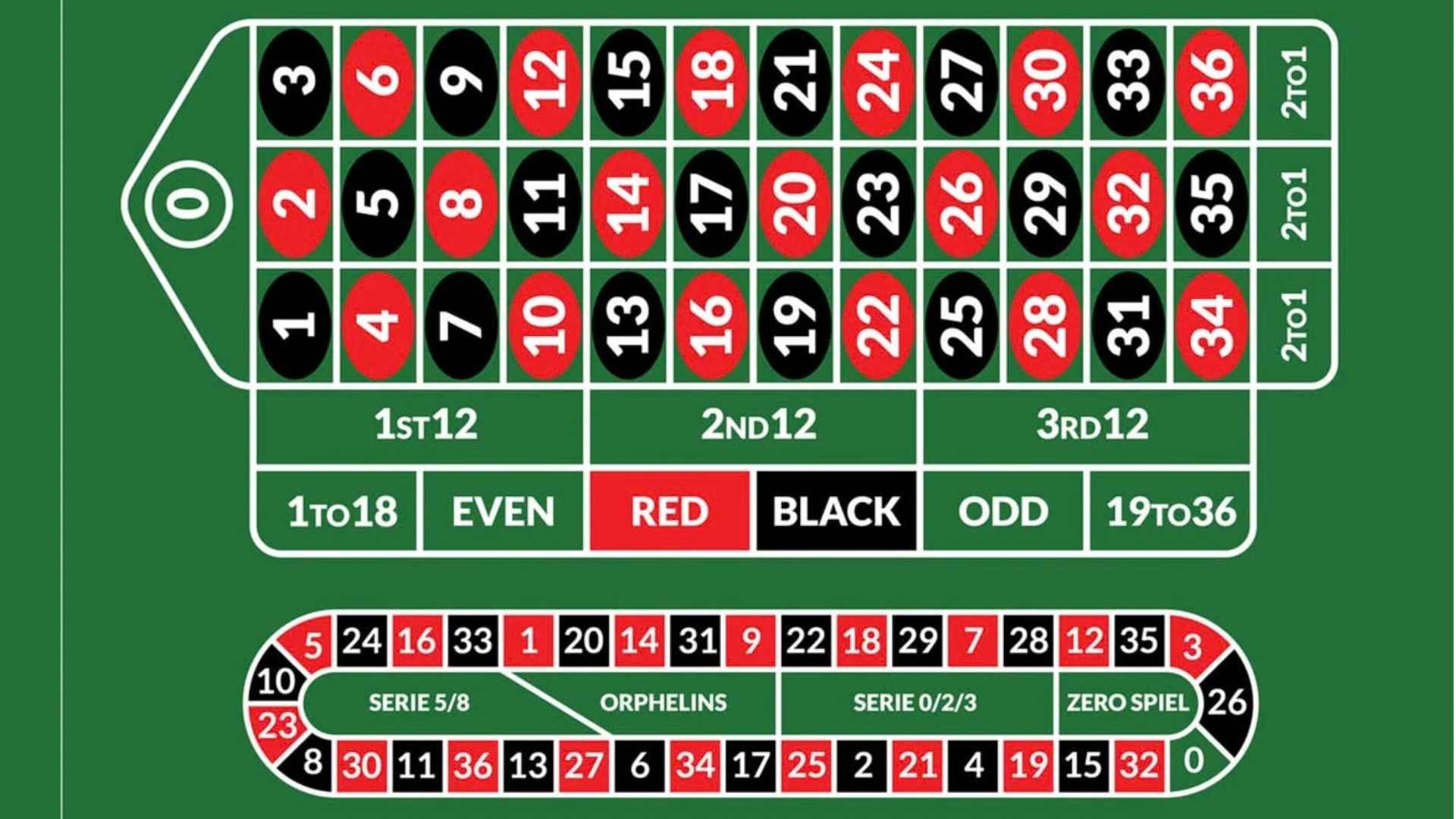
The intervals at which game outcomes are determined play a critical role in shaping how players interact with modern digital entertainment. Whether draws occur every few seconds or once a day, the scheduling directly dictates the rhythm of a gaming session. Understanding the relationship between draw frequency and player behavior provides valuable insight into digital game design and user retention.
The Dynamics of Fast-Paced Draw Schedules
High-frequency draws deliver rapid results that cater to players seeking quick feedback and constant activity. When outcomes are generated every minute, players tend to stay actively focused on the screen, leading to shorter but more intense interaction periods. This rapid pace creates a continuous loop of participation that appeals to modern, mobile-oriented audiences.
However, the rapid tempo can also lead to faster decision-making cycles, which requires modern platforms to implement robust responsible play features. Providing automated reminder prompts and clear session counters helps users maintain awareness during fast-moving sequences. Balancing speed with transparent tools ensures that rapid-fire formats remain safe and enjoyable.
How Longer Intervals Influence Player Anticipation
Slower draw schedules, such as hourly or daily events, create a vastly different psychological dynamic centered around buildup and anticipation. Instead of remaining glued to a screen, participants return periodically to check results, turning the experience into a routine ritual. This extended delay between entry and outcome fosters social discussion and sustained interest over longer periods.
Lower draw frequencies also encourage more thoughtful entry selection and strategic planning among participants. Because the next opportunity takes time to arrive, players often spend more time analyzing statistics and managing their allocations carefully. This deliberate pacing helps prevent fatigue and supports long-term engagement across broader demographics.
Finding the Right Balance for Diverse Audiences
Game developers carefully calibrate draw intervals to match the specific goals and preferences of their target audience. Hybrid platforms frequently offer both quick-draw modes for rapid sessions and scheduled events for casual, regular check-ins. By offering customizable options, platforms allow individuals to select a session pace that aligns with their personal entertainment style.
Ultimately, session pacing directly affects how long players stay engaged and how positive their overall experience remains. Maintaining a healthy balance between excitement and reflection ensures that digital number games remain a sustainable form of casual fun. As design standards continue to evolve, flexible draw frequencies will remain a cornerstone of user-centric game development.